Imagine waking up in the morning and placing your phone on your nightstand without fumbling for cables in the dark.
This simple act represents a fundamental shift in how we interact with technology. Wireless charging has transformed from a luxury feature into an everyday necessity for millions of people worldwide.
The technology that once seemed like science fiction is now powering our daily lives in ways we never imagined.
Gone are the days of searching for the right cable or dealing with frayed wires that stop working at the worst possible moment.
Today’s wireless charging solutions offer convenience, efficiency, and a glimpse into a truly cable-free future.
The evolution of this technology has been nothing short of remarkable, changing not just how we charge our devices but how we design our living spaces and workplaces.
Understanding Wireless Charging Technology
The concept behind wireless charging might seem magical, but it’s actually based on simple physics principles.
At its core, wireless charging uses electromagnetic induction to transfer energy between two objects.
A charging pad contains a transmitter coil that creates an alternating electromagnetic field.
When you place your device on the pad, a receiver coil in your device picks up this energy.
The energy then converts back into electrical current that charges your battery.
This process happens automatically without any physical connection required.
The Evolution of Charging Standards
Different manufacturers initially developed their own wireless charging technologies.
This created confusion in the marketplace and limited compatibility between devices.
The Qi standard emerged as the universal solution that most companies now adopt.
Developed by the Wireless Power Consortium, Qi has become the industry benchmark.
Today, virtually all major smartphone manufacturers support Qi wireless charging.
This standardization has accelerated adoption and made the technology more accessible.
Why Multiple Device Charging Matters
Modern households typically contain numerous electronic devices that need regular charging.
The average person now owns a smartphone, wireless earbuds, a smartwatch, and often a tablet.
Traditional charging methods require separate cables and outlets for each device.
This creates a tangled mess of wires that clutters desks and nightstands.
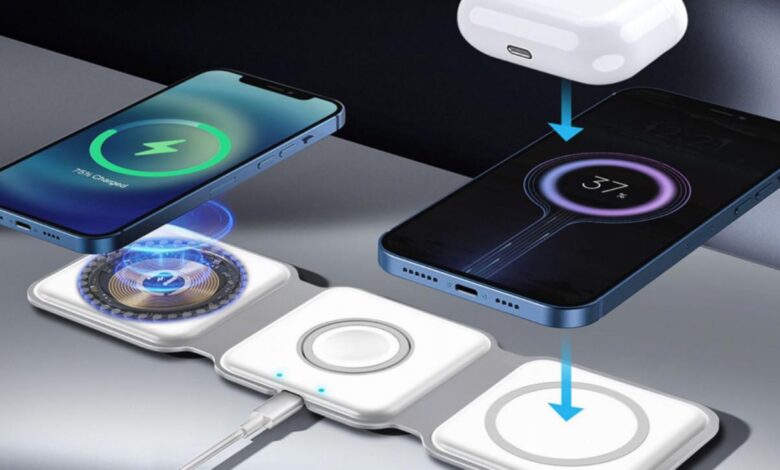
Wireless charging pads that handle multiple devices solve this problem elegantly.
You can power several gadgets simultaneously from a single charging station.
The Convenience Factor
Think about your morning routine and how often you interact with charging cables.
Wireless charging eliminates the need to plug and unplug devices repeatedly throughout the day.
Simply placing your phone on a charging pad becomes second nature after a few uses.
This convenience extends to nighttime when you can dock devices without turning on lights.
Hotels, airports, and coffee shops increasingly offer wireless charging spots.
Public charging stations mean you never have to carry cables when traveling.
Types of Multi-Device Wireless Chargers
The market now offers various solutions for charging multiple devices simultaneously.
Each type serves different needs and fits various lifestyles and budgets.
A. Charging Pads
Flat charging pads represent the most common and affordable option.
These devices typically feature multiple charging coils to accommodate several gadgets.
You can place phones, earbuds, and other compatible devices anywhere on the surface.
Premium pads include LED indicators that show charging status for each device.
Many models feature non-slip surfaces to keep your devices securely in place.
Some charging pads fold for easy storage when traveling.
B. Charging Stands
Vertical charging stands allow you to view your phone screen while it charges.
This design works perfectly for desks where you need to monitor notifications.
Some stands adjust to different angles for optimal viewing during video calls.
Multi-device stands often include a pad section for watches and earbuds.
The vertical orientation saves desk space compared to laying devices flat.
Many users prefer stands for their ergonomic benefits during work hours.
C. Charging Stations
Dedicated charging stations function as central hubs for all your devices.
These comprehensive solutions often combine wireless and wired charging options.
High-end stations include organization features like phone holders and watch stands.
Some models integrate USB ports for devices that don’t support wireless charging.
Charging stations work exceptionally well in bedrooms or home offices.
They eliminate cable clutter while keeping all devices in one accessible location.
D. Furniture with Built-in Charging
Forward-thinking furniture manufacturers now integrate wireless charging into their products.
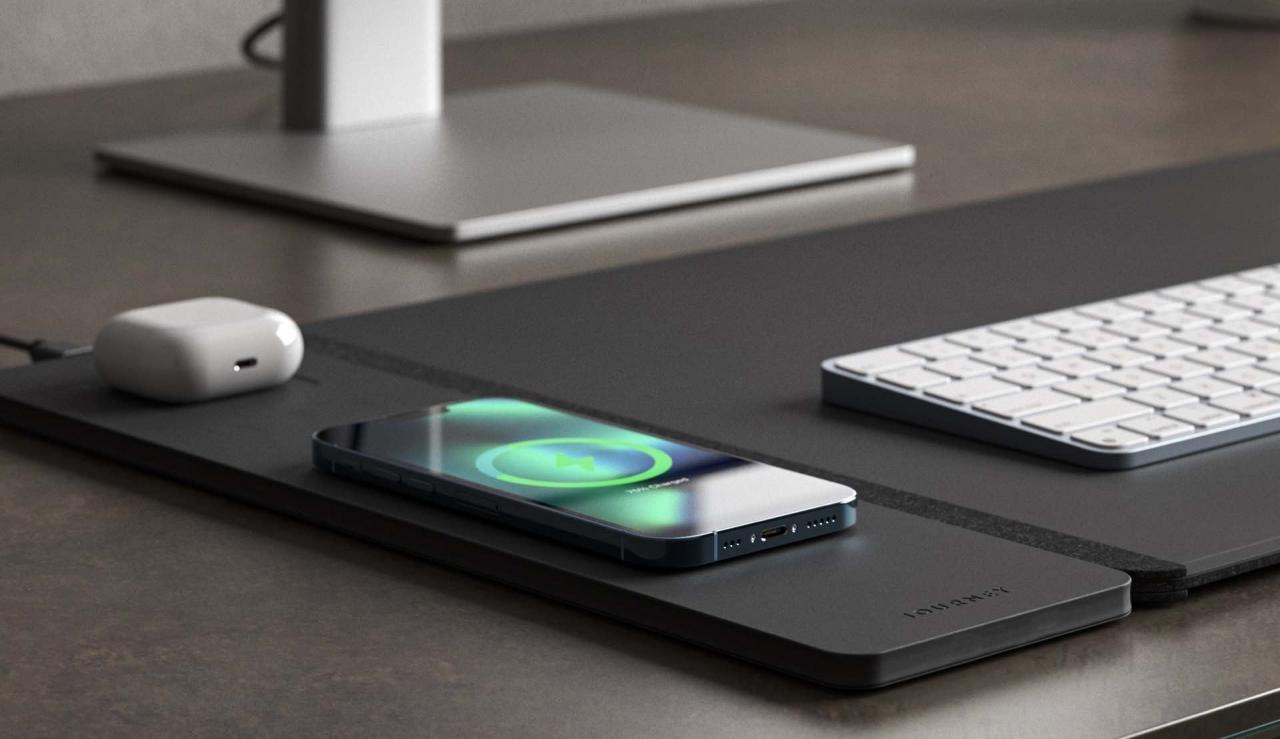
Nightstands, desks, and coffee tables increasingly feature embedded charging pads.
This integration creates seamless charging experiences without additional accessories.
The charging areas blend invisibly into the furniture’s surface design.
Simply placing your phone on the designated spot initiates charging automatically.
This trend represents the future of truly wireless living spaces.
Speed and Efficiency Considerations
Early wireless charging technology suffered from slower charging speeds compared to cables.
Modern wireless chargers have largely closed this gap with improved power delivery.
Standard wireless charging typically provides 5 watts of power to devices.
Fast wireless charging bumps this up to 10 watts or even 15 watts.
Some premium chargers now offer up to 30 watts for compatible devices.
Factors Affecting Charging Speed
The thickness of your phone case can impact wireless charging efficiency.
Cases thicker than 3 millimeters may prevent proper energy transfer.
Metal cases completely block wireless charging and must be removed.
Device alignment on the charging pad also affects speed significantly.
Most modern chargers include alignment guides or magnets for optimal positioning.
Temperature management systems prevent overheating that could slow charging.
Battery Health and Wireless Charging
A common concern involves whether wireless charging damages battery longevity.
Research shows that wireless charging doesn’t inherently harm battery health.
The key factor is heat generation during the charging process.
Quality wireless chargers include temperature monitoring to prevent overheating.
Many devices also have built-in thermal management for safe charging.
Using certified chargers from reputable brands ensures proper safety features.
Smart Features in Modern Chargers
Today’s wireless charging solutions go beyond simple power transfer.
Smart features enhance user experience and protect your valuable devices.
Foreign Object Detection
Advanced chargers can detect when non-compatible items are placed on them.
This prevents wasting energy and protects items like keys or coins from heating up.
The charger automatically pauses when it detects foreign metal objects.
LED indicators alert you to remove the incompatible item.
This safety feature prevents potential damage to both the charger and foreign objects.
Some chargers even provide audible warnings for added safety.
Automatic Device Recognition
Intelligent chargers identify what type of device you’ve placed on them.
They then deliver the optimal charging speed for that specific device.
A smartphone receives fast charging while earbuds get standard charging.
This automatic adjustment maximizes efficiency and protects battery health.
Users don’t need to worry about selecting the correct charging mode.
The charger handles everything automatically based on device requirements.
Sleep-Friendly Features
Many people charge devices on their nightstands while sleeping.
Bright LED indicators can disturb sleep in dark bedrooms.
Modern chargers include dimming features or automatic light shutoff.
Some models use subtle indicators that don’t create ambient light pollution.
Silent operation ensures chargers don’t create humming or buzzing sounds.
These thoughtful features make wireless charging perfect for bedrooms.
Compatibility Across Devices
Understanding which devices work with wireless charging helps you make informed purchases.
The ecosystem of compatible products continues expanding rapidly.
Smartphones
Most flagship smartphones from major manufacturers support wireless charging.
Apple’s iPhone lineup has included wireless charging since the iPhone 8.
Samsung Galaxy phones have featured wireless charging for even longer.
Google Pixel phones, OnePlus devices, and others increasingly offer this capability.
Budget phones are also starting to include wireless charging as a standard feature.
Check your phone’s specifications to confirm wireless charging compatibility.
Wearable Technology
Smartwatches from Apple, Samsung, and Fitbit support wireless charging.
Most wireless earbuds now come with charging cases that work wirelessly.
Fitness trackers increasingly feature wireless charging capabilities.
Some smart rings even support wireless charging on compatible pads.
Wearables represent the perfect use case for wireless charging convenience.
Their small batteries charge quickly on multi-device stations.
Emerging Device Categories
Wireless charging is expanding beyond phones and wearables into new categories.
Wireless keyboards and mice now include rechargeable batteries with wireless charging.
Some laptop manufacturers are exploring wireless charging for portable computers.
Gaming controllers increasingly feature wireless charging docks.
Even power banks now support wireless charging for added convenience.
The technology continues evolving to power more device types.
Design and Aesthetics
Wireless chargers have evolved from purely functional devices to design statements.
Manufacturers now understand that chargers occupy visible space in homes and offices.
Minimalist Designs
Clean, simple designs complement modern interior decoration styles.
Many chargers feature sleek surfaces in neutral colors like black, white, or gray.
Premium materials like aluminum and tempered glass add sophistication.
Minimalist chargers blend seamlessly into any environment without drawing attention.
The best designs look intentional rather than like random tech accessories.
Some chargers are so elegant they function as decorative objects.
Customization Options
Certain brands offer chargers in various colors and finishes.
Wood grain options appeal to those preferring natural aesthetics.
Fabric-covered chargers provide a softer, more homey appearance.
Some companies allow custom engraving for personalized touches.
LED lighting in different colors lets users match their room ambiance.
Interchangeable covers let you update the look without buying new chargers.
Environmental Impact
The shift to wireless charging carries important environmental considerations.
Understanding both benefits and drawbacks helps consumers make responsible choices.
Reducing Cable Waste
Traditional charging cables wear out and end up in landfills regularly.
The average person replaces charging cables multiple times per year.
Wireless charging eliminates this source of electronic waste.
A quality wireless charger can last for many years without replacement.
This longevity reduces overall environmental impact compared to disposable cables.
Fewer cables also mean less plastic and metal mining for connectors.
Energy Efficiency Concerns
Wireless charging is inherently less efficient than wired charging.
Some energy dissipates as heat during the wireless transfer process.
This means wireless charging uses slightly more electricity overall.
However, modern chargers have improved efficiency significantly.
The convenience benefits may outweigh the minor energy efficiency loss.
Choosing Energy Star certified chargers minimizes environmental impact.
Cost Considerations
Wireless charging represents an investment in convenience and future-proofing.
Prices vary widely based on features, quality, and brand reputation.
Budget Options
Basic single-device wireless chargers start around fifteen to twenty-five dollars.
These entry-level options provide reliable charging for budget-conscious consumers.
Budget chargers typically offer standard charging speeds without advanced features.
They work perfectly fine for overnight charging when speed isn’t critical.
Many affordable options still include safety features like overheating protection.
Generic brands often provide good value if they carry proper certifications.
Mid-Range Choices
Multi-device chargers in the mid-range category cost between forty and eighty dollars.
These options balance affordability with useful features and better build quality.
Mid-range chargers often include fast charging and multiple device support.
Better materials and design make them more aesthetically pleasing.
Established brands in this range typically offer reliable customer support.
This price point represents the sweet spot for most consumers.
Premium Solutions
High-end wireless charging solutions can cost over one hundred dollars.
Premium chargers justify their price with superior materials and innovative features.
They often integrate seamlessly with specific ecosystems like Apple products.
Advanced features include adaptive charging and comprehensive device support.
Premium brands typically offer extensive warranties and excellent build quality.
For power users with many devices, the investment often proves worthwhile.
Installation and Setup
Getting started with wireless charging requires minimal effort or technical knowledge.
The simplicity of setup contributes to the technology’s growing popularity.
Basic Setup Steps
Remove the wireless charger from its packaging and place it on a stable surface.
Connect the charger to a power adapter using the included cable.
Plug the power adapter into a wall outlet to activate the charger.
Most chargers indicate they’re ready with a brief LED light confirmation.
Place your compatible device on the charging surface.
Your device should immediately begin charging and display charging indicators.
Optimal Placement
Choose a location where you regularly place devices during daily routines.
Nightstands work perfectly for overnight charging of phones and watches.
Desk locations suit people who want to charge while working.
Kitchen counters serve as convenient spots for topping up during the day.
Avoid placing chargers near water sources or in extremely hot locations.
Ensure adequate ventilation around the charger to prevent heat buildup.
Troubleshooting Common Issues
Even reliable technology occasionally encounters problems requiring solutions.
Most wireless charging issues have simple fixes you can implement yourself.
Device Not Charging
First, verify that your device actually supports wireless charging.
Check that you’ve properly connected the charger to power.
Remove thick phone cases or cases with metal components.
Ensure the device sits centered on the charging pad.
Try cleaning both the charger surface and device back of dust and debris.
Restart your device if it still refuses to charge.
Slow Charging Speeds
Confirm that your charger supports fast wireless charging.
Verify your device is compatible with the charger’s fast charging capability.
Check that you’re using the correct power adapter with sufficient wattage.
Remove the device case to see if charging speed improves.
Close background apps that might be consuming power during charging.
Consider that some devices charge more slowly as they approach full capacity.
Overheating Problems
Remove your device immediately if it becomes uncomfortably hot.
Ensure the charging area has adequate airflow around it.
Don’t charge devices in direct sunlight or near heat sources.
Remove thick cases that might trap heat during charging.
Stop using your device intensively while it’s charging wirelessly.
Contact the manufacturer if overheating persists despite these precautions.
Future Developments
Wireless charging technology continues evolving at a rapid pace.
Exciting innovations promise to make charging even more convenient and powerful.
Long-Range Wireless Charging
Current wireless charging requires devices to touch or be very close to chargers.
Companies are developing technology that charges devices from several feet away.
This would allow your phone to charge simply by being in the same room.
Long-range charging could eliminate the need for dedicated charging stations.
Technical challenges around efficiency and safety still need solving.
Commercial products using this technology may arrive within the next few years.
Reverse Wireless Charging
Some phones now support using their battery to charge other devices wirelessly.
This feature lets you charge earbuds or watches using your smartphone.
Reverse charging proves useful in emergencies when you need to help friends.
The technology also works for charging smaller accessories on the go.
Future iterations will likely improve efficiency and charging speeds.
This capability demonstrates the versatility of wireless charging technology.
Integration with Renewable Energy
Solar-powered wireless chargers are beginning to appear in the market.
These devices capture solar energy during the day for charging at night.
Integration with home solar systems could make charging truly sustainable.
Smart chargers might preferentially use renewable energy when available.
This combination of technologies addresses environmental concerns directly.
Future chargers could track and report their renewable energy usage.
Making the Right Choice
Selecting the perfect wireless charging solution depends on your specific needs.
Consider several factors before making your purchase decision.
Assess Your Device Ecosystem
Count how many devices you need to charge simultaneously.
Note whether your devices use Qi charging or proprietary standards.
Consider future device purchases you might make in coming months.
Choose a charger that accommodates your entire ecosystem efficiently.
Premium ecosystems might benefit from brand-specific charging solutions.
Universal compatibility ensures flexibility as you upgrade devices.
Consider Your Usage Patterns
Think about where and when you typically charge devices.
Frequent travelers might prioritize compact, foldable charging options.
Desk workers might prefer upright stands for visibility during use.
Bedroom users might want chargers with dimming or silent operation.
Understanding your habits helps identify the most practical solution.
The right charger should integrate seamlessly into your daily routine.
Evaluate Build Quality
Read reviews about reliability and longevity before purchasing.
Check for proper safety certifications from recognized organizations.
Better materials typically indicate longer-lasting products.
Warranty coverage reflects manufacturer confidence in their products.
Cheaper chargers might save money initially but fail prematurely.
Investing in quality prevents frustration and replacement costs later.
Conclusion
The wireless charging revolution has fundamentally changed how we power our digital lives.
What began as a novel feature has become an expected standard across devices.
The convenience of simply placing devices on a pad eliminates daily frustrations with tangled cables.
Multi-device charging solutions bring order to the chaos of modern technology ownership.
As the technology matures, we see improvements in speed, efficiency, and versatility.
The integration of wireless charging into furniture and public spaces shows its staying power.
Environmental considerations remind us to choose quality products that last.
Future developments promise even more seamless integration into our daily routines.
Long-range charging could eventually make the concept of “charging” nearly invisible.
The standardization around Qi ensures compatibility across brands and devices.
Smart features continue adding value beyond simple power delivery.
Design improvements mean wireless chargers enhance rather than detract from our spaces.
Whether you’re an early adopter or late to the party, wireless charging offers tangible benefits.
The technology represents more than convenience—it’s a step toward a truly wireless future.
As prices continue falling and performance improves, wireless charging becomes accessible to everyone.
The question is no longer whether to embrace wireless charging but which solution fits you best.
Your devices deserve the convenience and your space deserves the elegance of wire-free charging.